
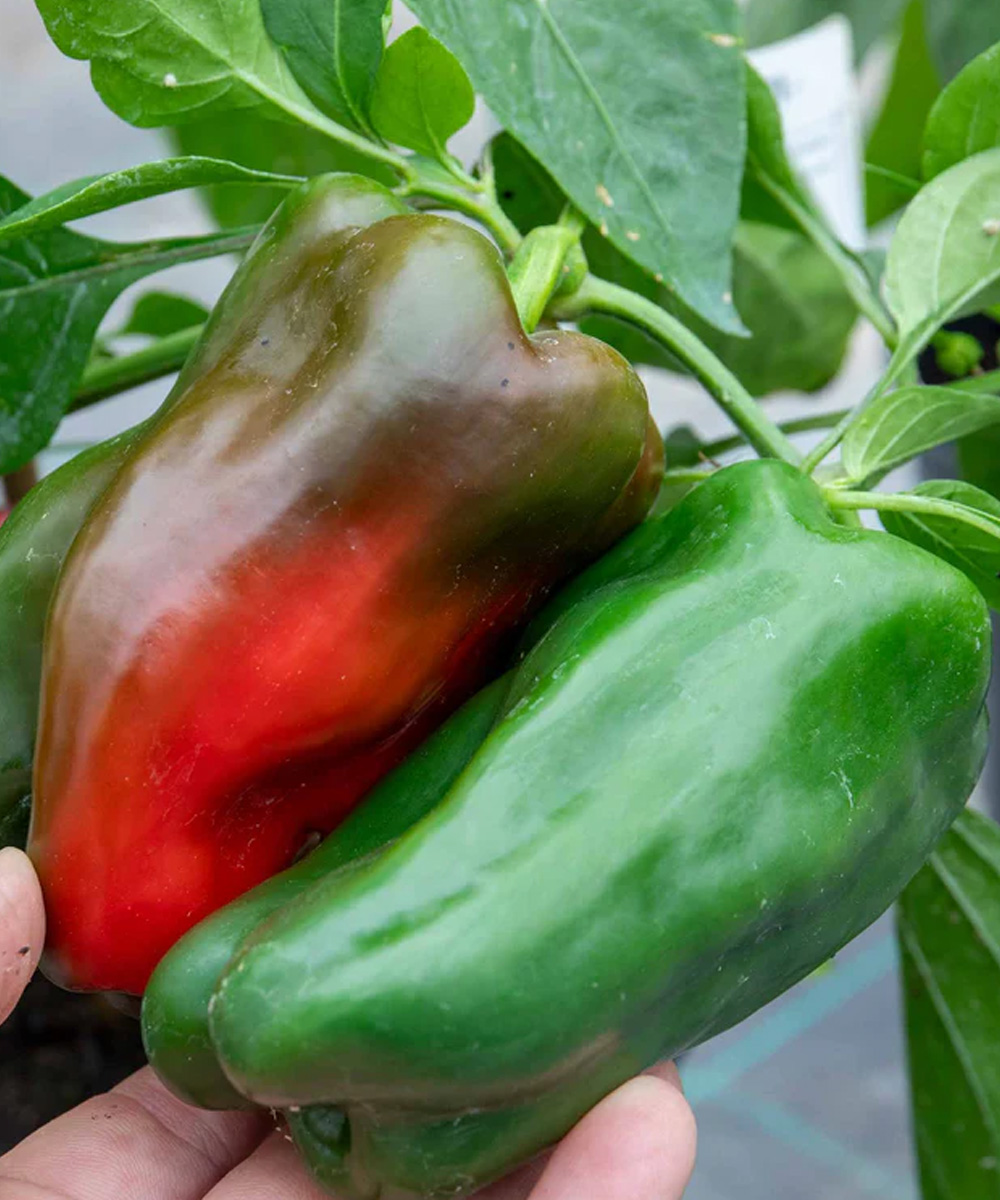
Benefits and Contraindications of Eating Bell Peppers
Bell peppers are a very popular vegetable in Latin American and Spanish cuisine. They are used in sautéed bases, salads, stir-fries, stews, stuffed dishes, and many other traditional recipes. Their vibrant color, firm texture, and distinctive flavor make them a valued ingredient both for their culinary appeal and their ability to bring dishes to life. Depending on the variety, they can be found in red, green, or yellow tones, each with different flavor nuances.
In addition to being very versatile, bell peppers are often included in balanced eating patterns due to their content of vitamins and antioxidant compounds. However, not everyone tolerates them in the same way. Some people digest them without any issues, while others experience discomfort, especially when they are eaten raw or with the skin. For this reason, it is useful to better understand their benefits and possible contraindications.
Benefits of Eating Bell Peppers
One of the most notable aspects of bell peppers is their content of vitamins and antioxidants. These compounds can complement the overall quality of the diet and add variety to everyday meals. Moreover, their flavor and texture make them a practical way to include more vegetables in the menu without always relying on the same options.
Another benefit is their moderate caloric content, which allows them to be used in a wide range of preparations without making dishes too heavy. This is especially helpful for those looking for meals that are tasty, colorful, and balanced.
They also stand out for their versatility. They can be eaten raw in salads, cooked in stews, roasted, sautéed, or stuffed. This variety of uses makes it easy to adapt them to different tastes and cooking styles, which is very valuable in daily routines.
